Welcome
This website helps you understand your rights when stopped by police in India. Be informed, stay calm, and know how to respond lawfully.
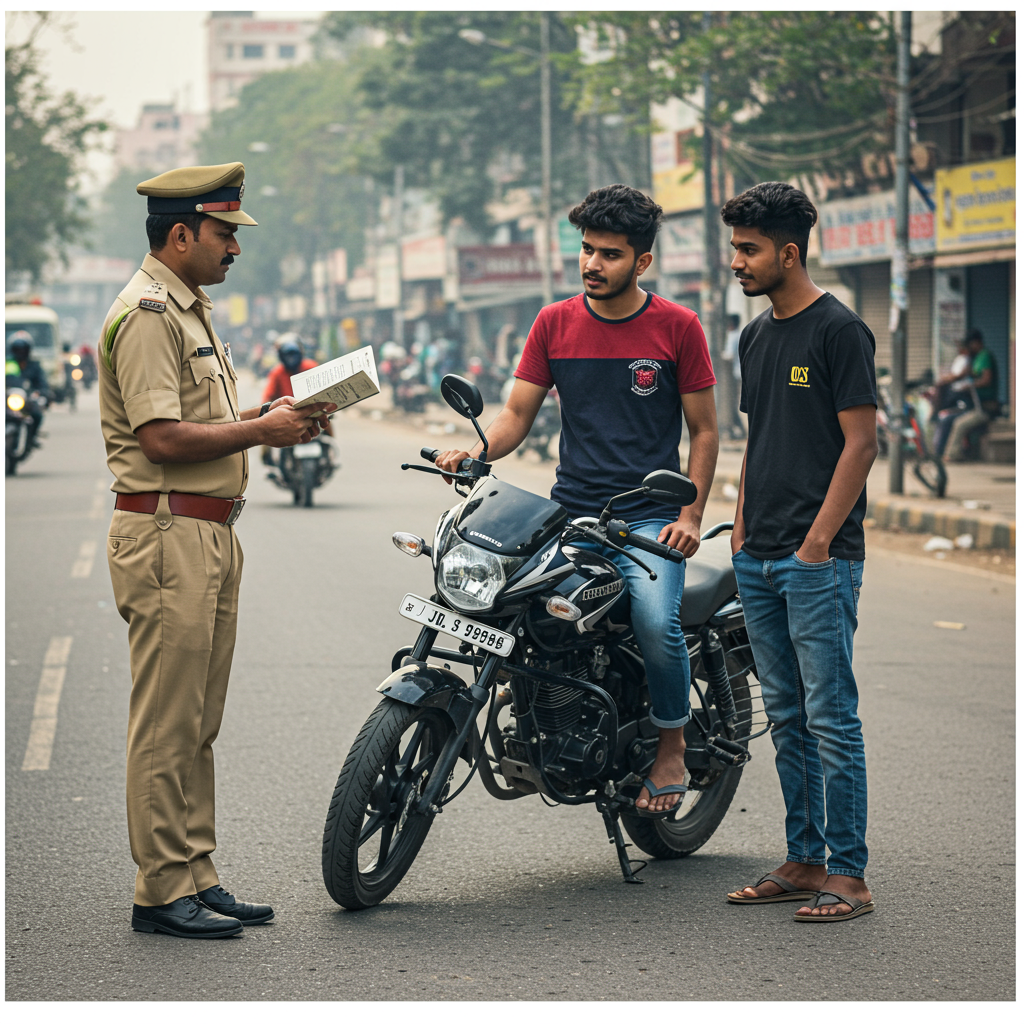
This website helps you understand your rights when stopped by police in India. Be informed, stay calm, and know how to respond lawfully.
You have the right to ask for police identification. Always verify the officer's name and badge.
You cannot be searched without reason. Police need reasonable suspicion or a warrant.
Driving Licence: Must be valid and original.
Registration Certificate (RC): Vehicle ownership proof.
Insurance Document: Valid third-party insurance.
Pollution Under Control (PUC): Certificate.
Stay calm and polite. Do not argue or panic.
Do not offer bribes. Instead, note the officer’s badge and complain later if mistreated.
Request a receipt if any documents or fines are issued.
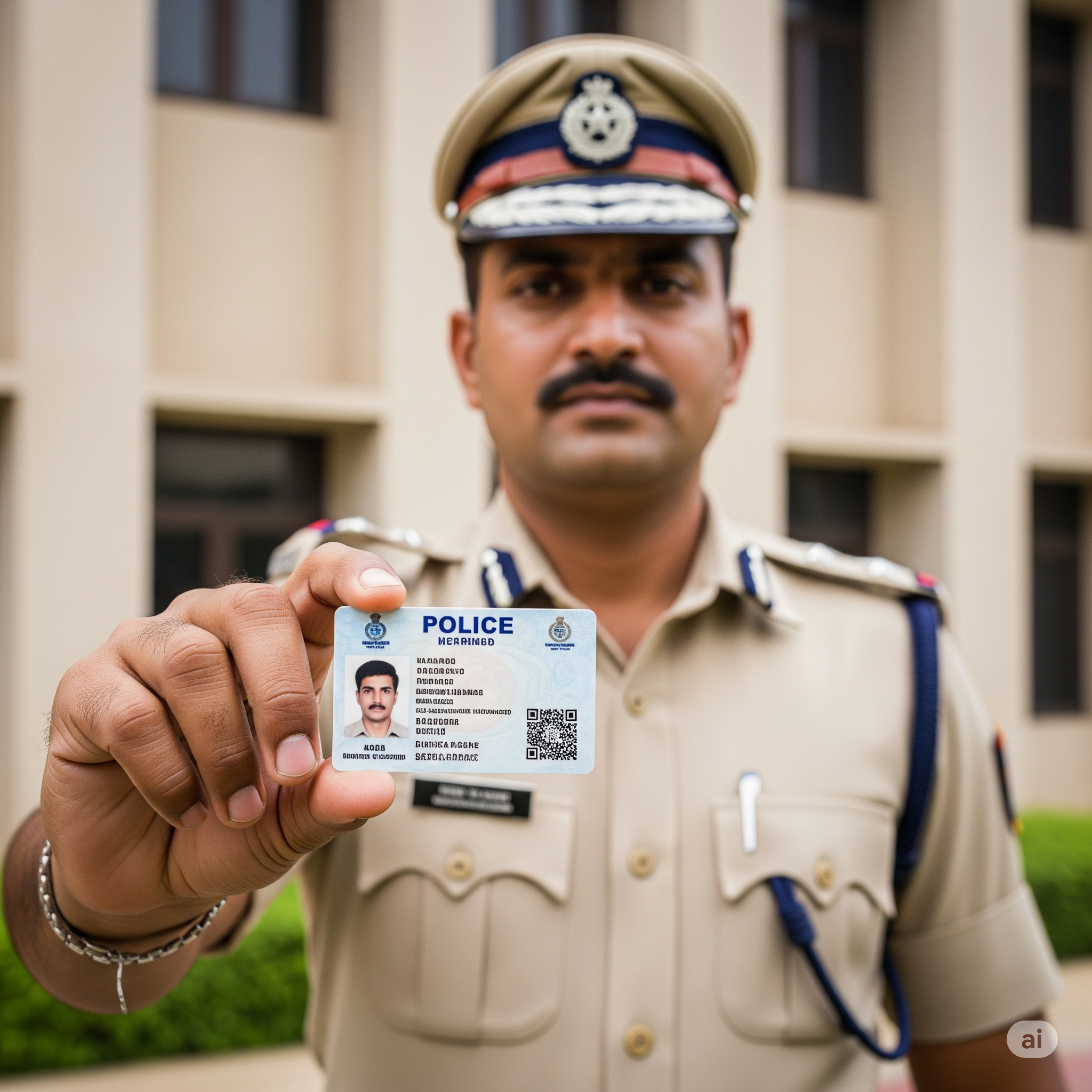
You have the right to ask for the officer’s name, badge number, and station. Female officers must be present for checks involving women.
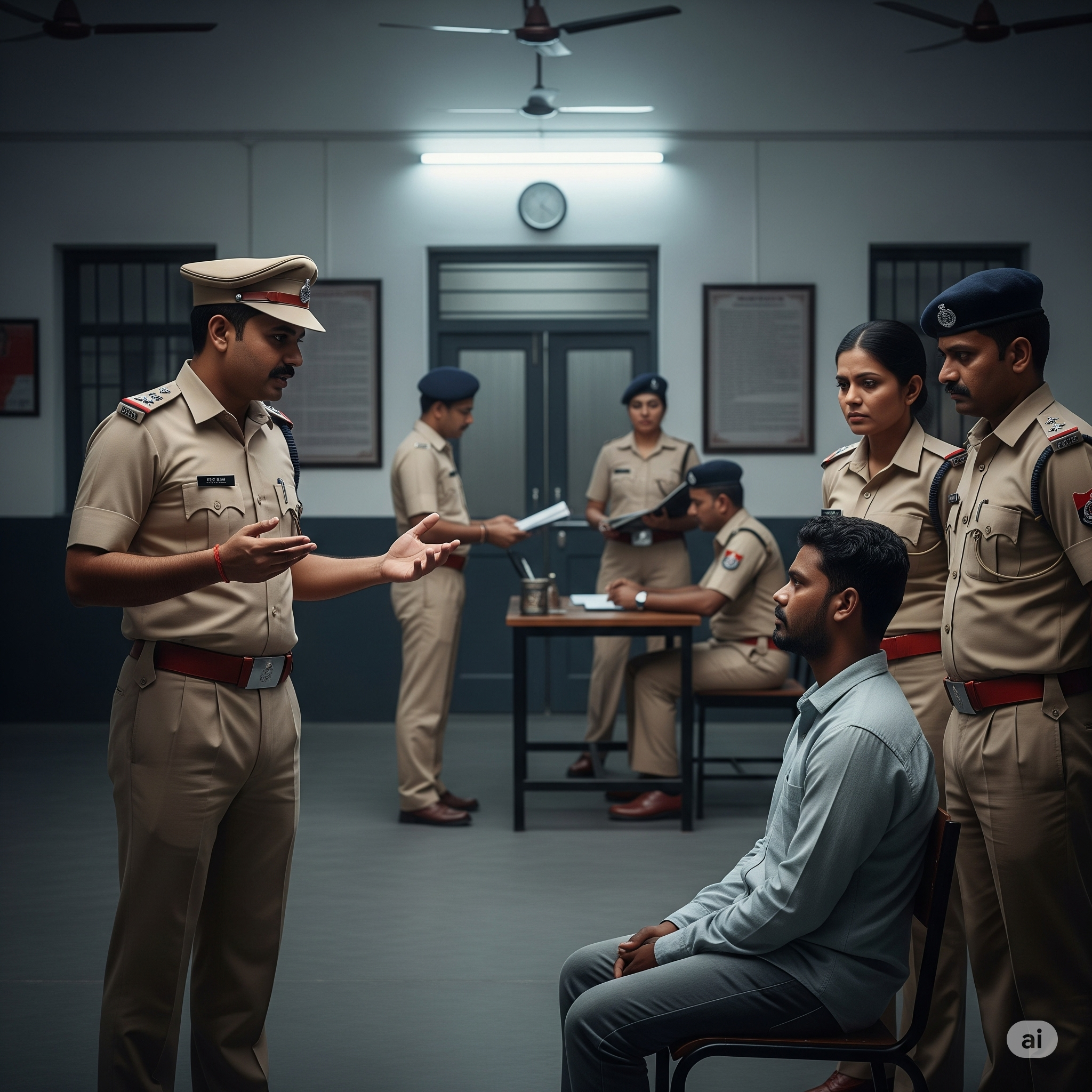
You cannot be detained without a reason. Officers must clearly explain the grounds for suspicion or arrest.
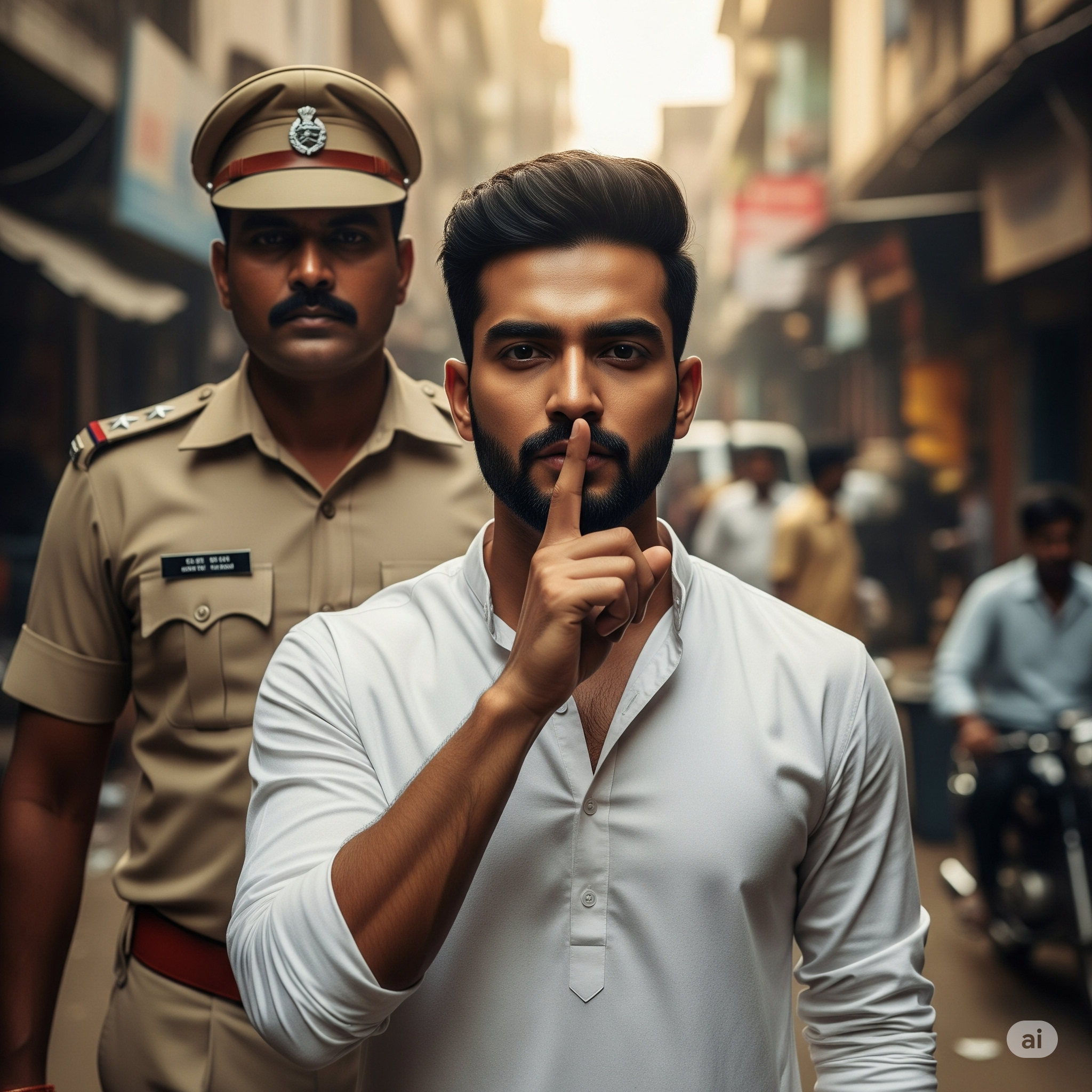
You are not legally required to answer beyond basic ID. Respectfully decline to answer anything that may incriminate you.
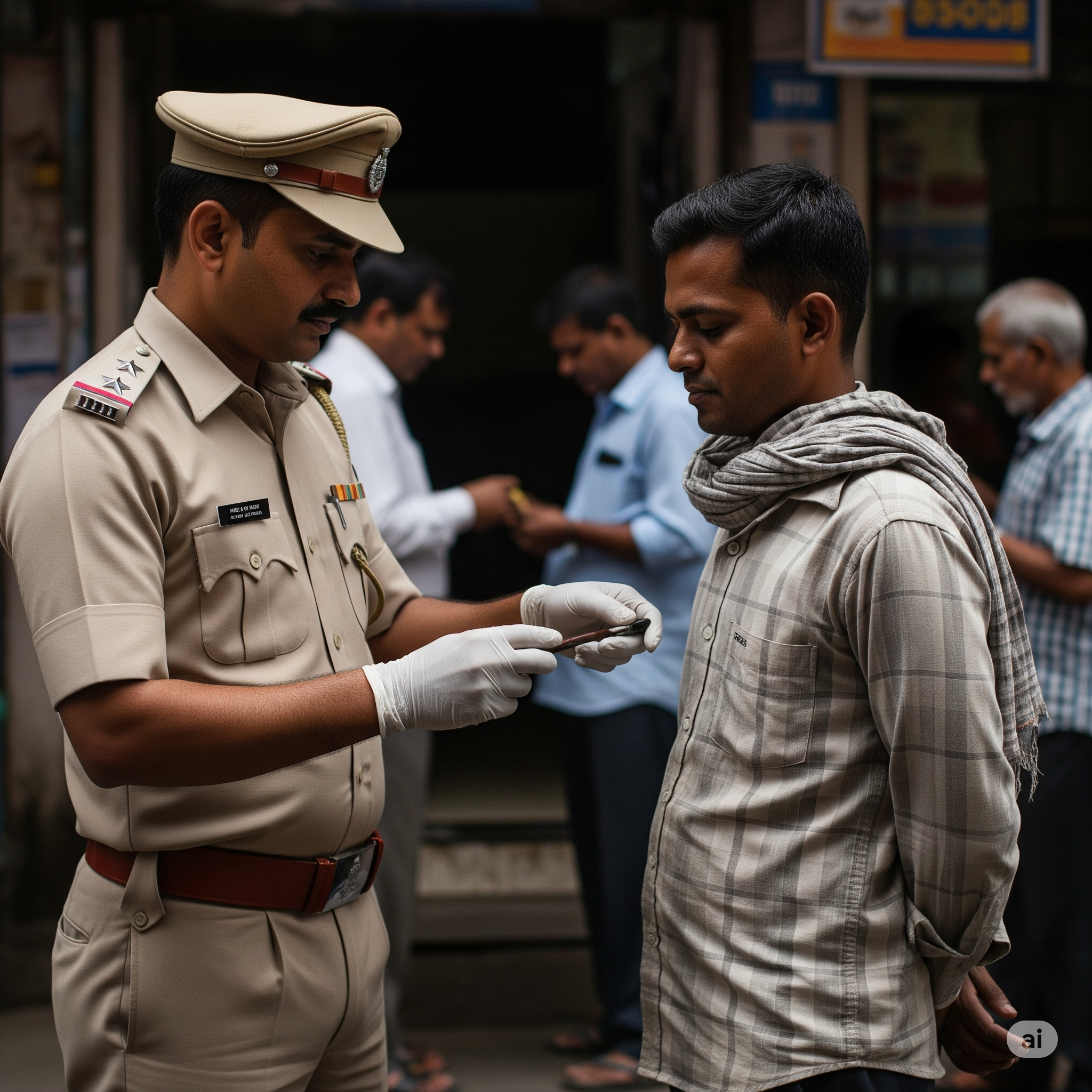
Searches need consent or legal authority. Only female officers can search women, and with dignity.
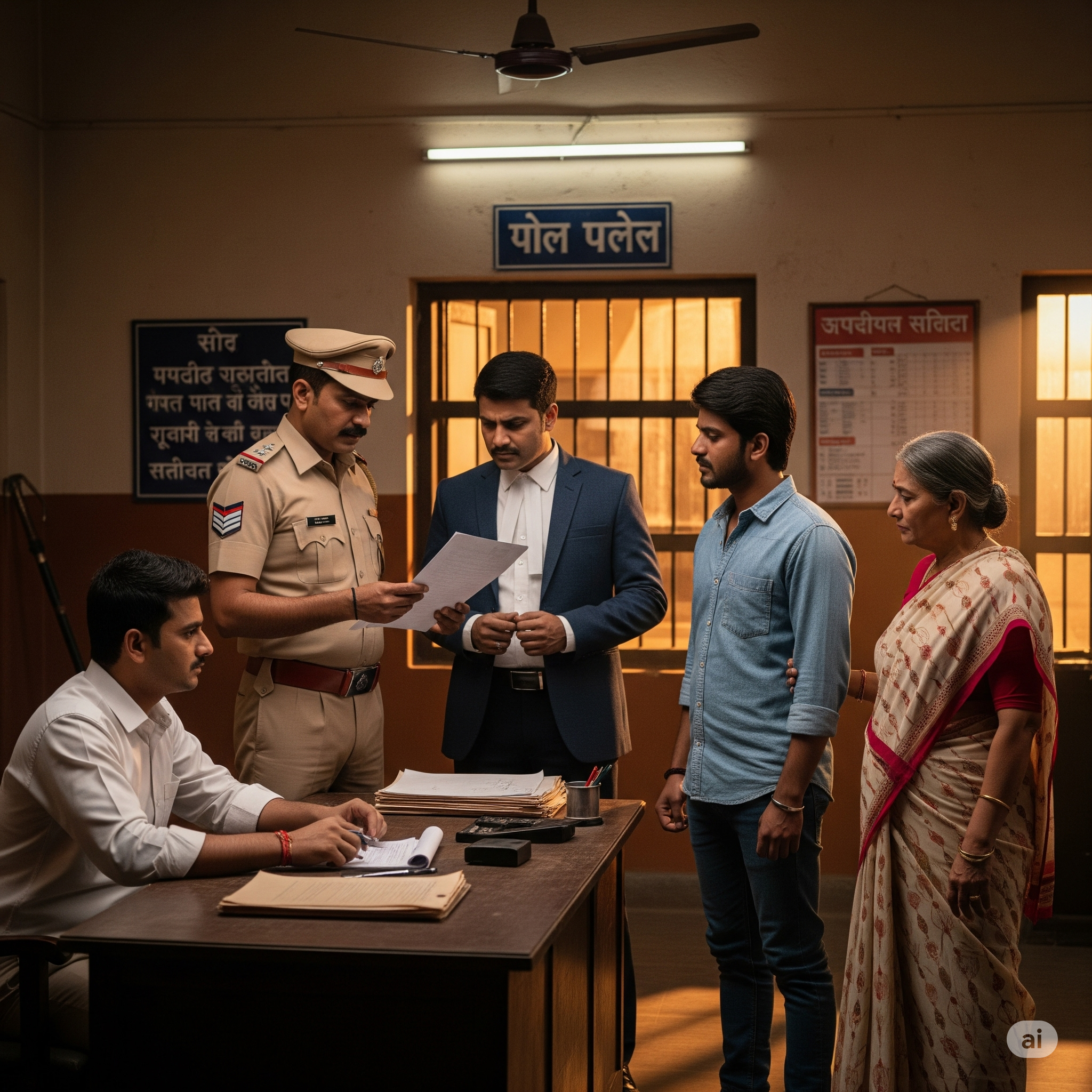
You have the right to a lawyer if arrested and to inform a family member or friend.
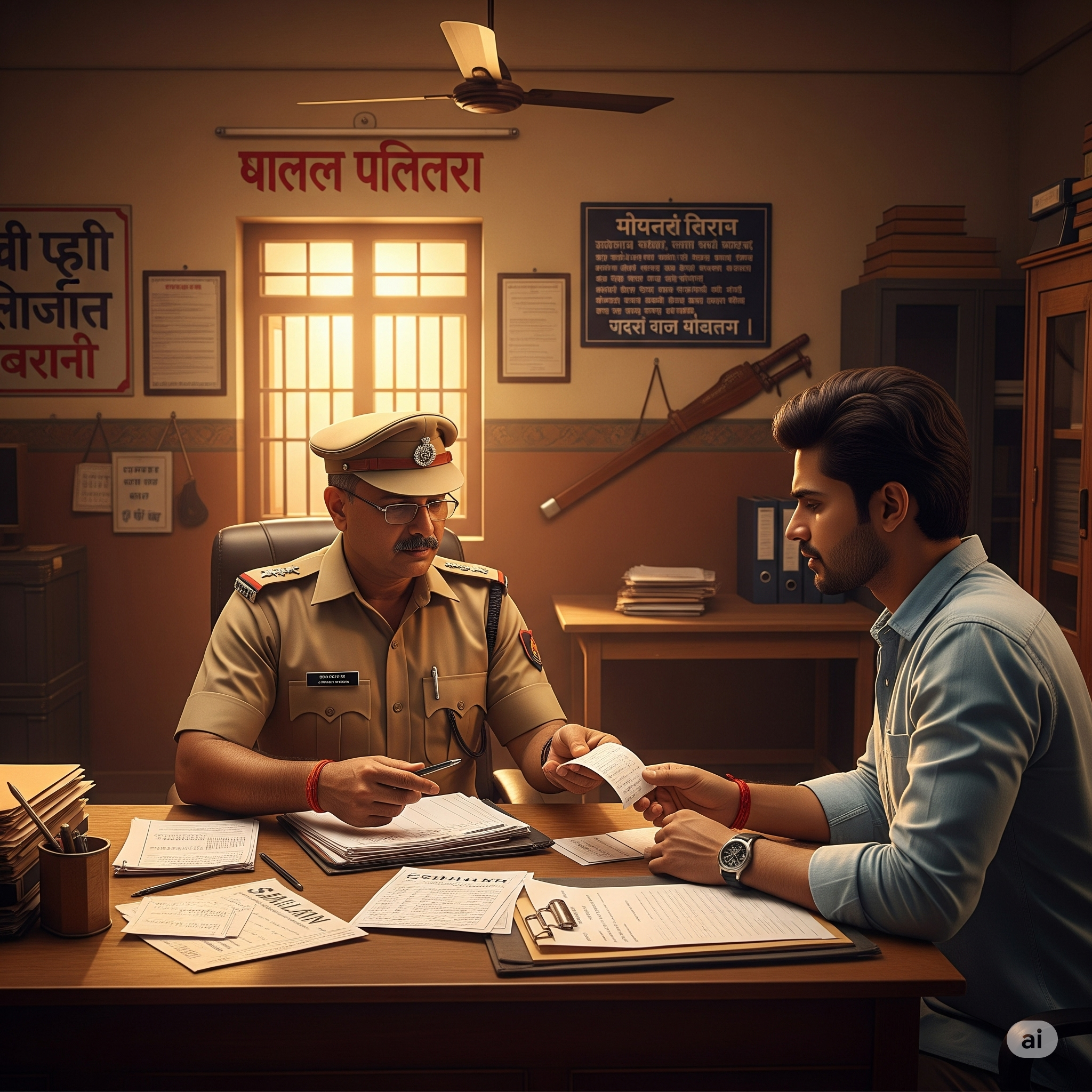
If documents are seized (like your license), you must receive a receipt. Challans must be documented.
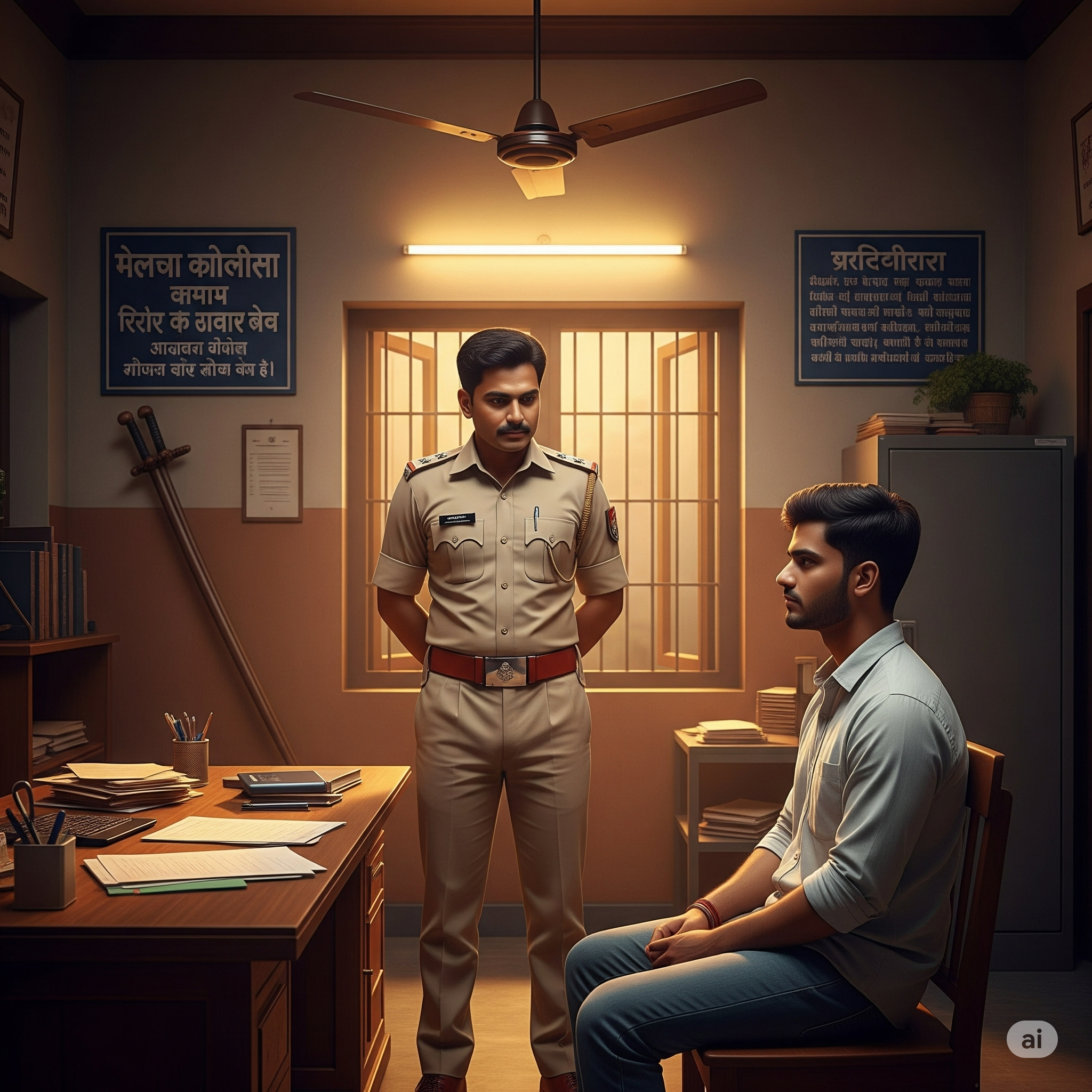
No one can be forced to confess. Article 20(3) protects you from self-incrimination.
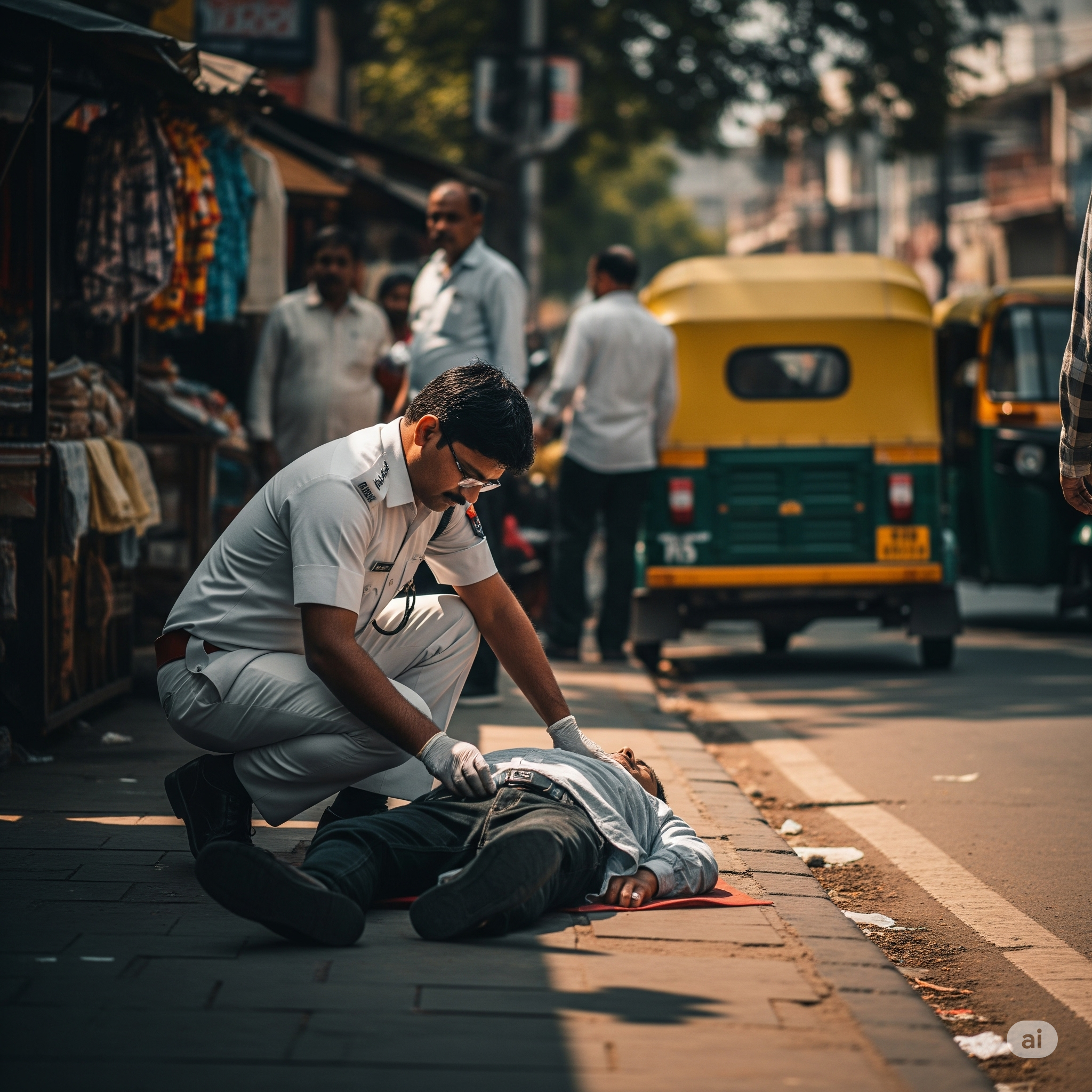
If injured, you must get medical help and injuries must be noted in the arrest memo.

If arrested, you must be taken to a magistrate within 24 hours.
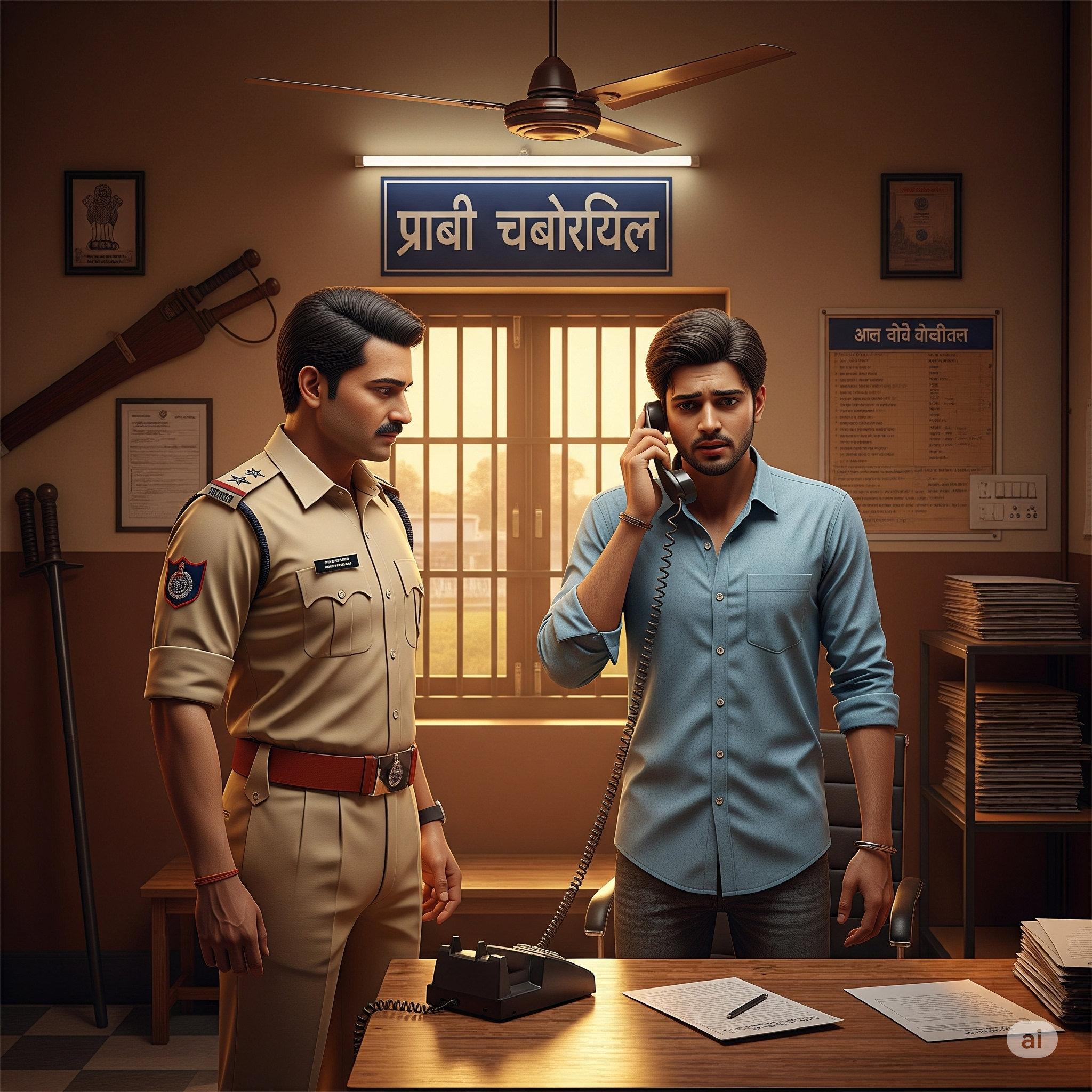
You can inform someone close to you immediately after arrest or detention.
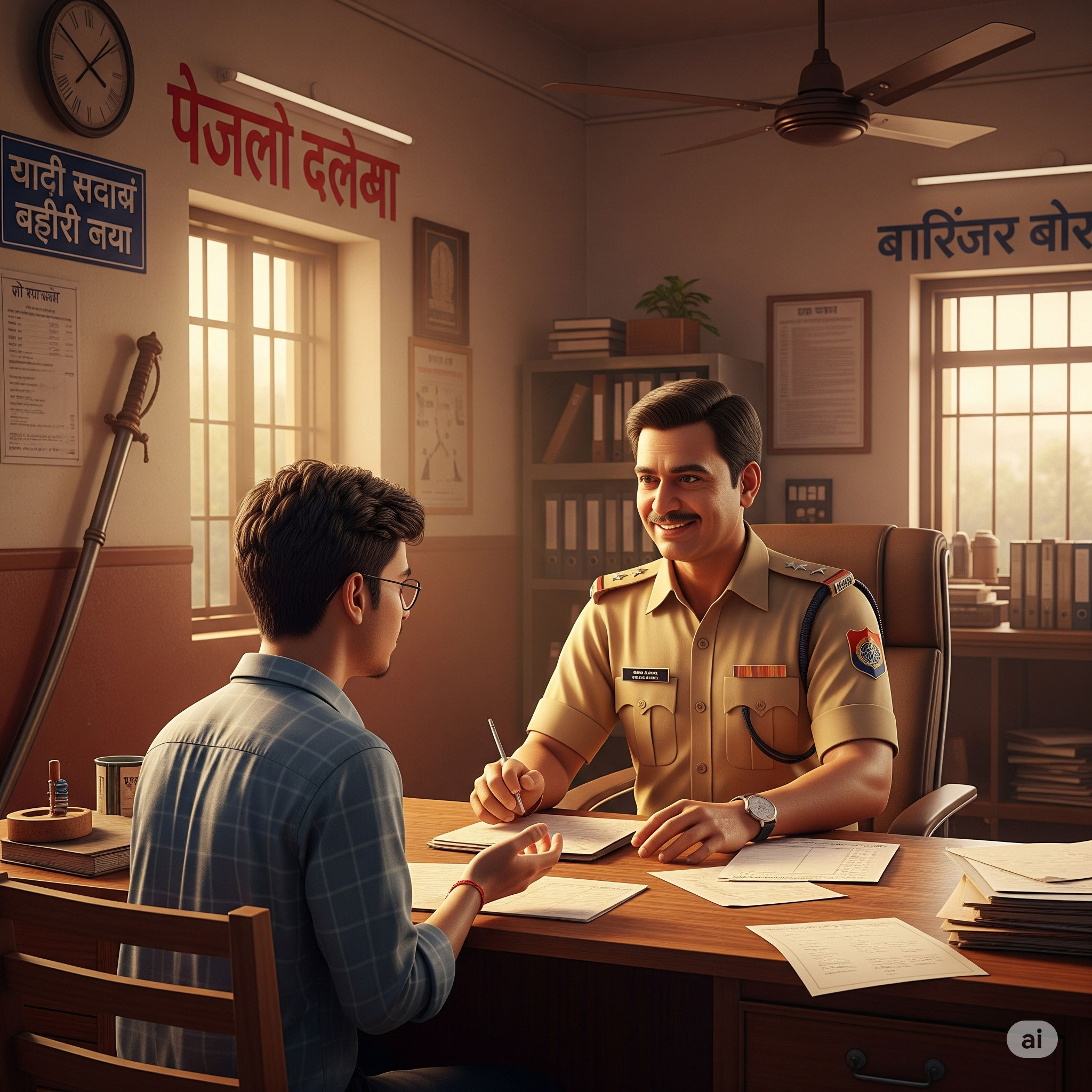
If you don't understand the language or are disabled, you can request an interpreter.

Minors must not be held in adult lock-ups. Special protection under Juvenile Justice Act applies.

Police cannot assault detainees. Complaints can be made to Human Rights Commission.
You must receive a proper receipt. If not, you can file a complaint with the station or Human Rights Commission.
Yes, you can record the interaction as long as it is done peacefully and doesn’t obstruct the officer.
Call a trusted person immediately or reach out to a legal helpline. If arrested, you have a right to inform someone and get legal help.